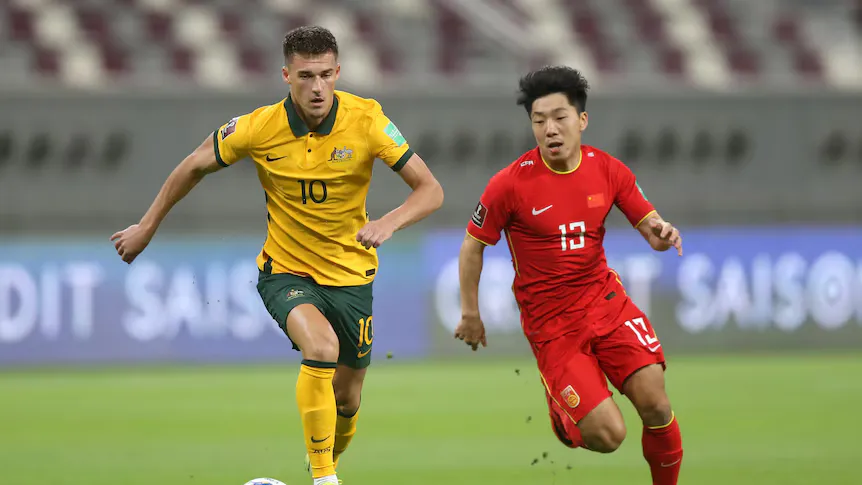
For Australian football fans, the World Cup 2026 isn’t just another tournament on the calendar. It’s bigger, longer, and structurally different from anything we’ve seen before. With 48 teams, matches spread across North America, and kick-off times that don’t exactly suit AEST, the way we watch, analyse, and even talk about the World Cup is changing.
This guide is written specifically for Aussies: plain Australian English, practical explanations, and no recycled fluff. Whether you’re following tactics, reading odds and handicaps out of curiosity, or just want to sound less reactionary than the group chat after one bad half, this article is designed to be genuinely useful.
General tournament hub for deeper browsing: world cup 2026
Why World Cup 2026 Feels Different Before It Even Starts
The most obvious change is the expansion to 48 teams, hosted across the USA, Canada and Mexico. But the real impact isn’t the number—it’s behaviour. More teams qualifying means more nations arriving with realistic expectations, and more scenarios where “not losing” is a legitimate short-term goal.
Quick format breakdown (no jargon)
- 12 groups of 4 teams
- Top 2 from each group qualify
- 8 best third-placed teams also progress
- Knockout stage begins at the Round of 32
The addition of “best third-placed teams” changes incentives. In past tournaments, a loss could kill you early. In 2026, teams can recover—as long as they manage goal difference and discipline. That nuance matters when you’re watching a match and wondering why a side isn’t throwing everyone forward.
How Australians Actually Watch the World Cup (and Why That Matters)
Let’s be realistic: most Aussies won’t watch every match live. North American kick-off times mean early mornings, late nights, or catching replays on the commute. That reality shapes opinion more than we admit.
Common Aussie viewing traps
- Judging teams purely on highlights
- Overreacting to one red card or VAR call
- Assuming possession equals control
- Ignoring tournament context (points, goal difference)
A simple fix? When you watch, focus on patterns rather than moments. Who’s consistently entering dangerous zones? Who looks comfortable without the ball? Those answers are usually more stable than a single screamer from 30 metres.
Tactical Reality of International Football in Big Tournaments
International football isn’t club football. Coaches get limited time, players arrive with different habits, and risk tolerance drops sharply once a tournament begins. World Cup 2026 will be no exception.
Compact shape beats chaos
Teams that stay compact between the lines tend to survive longer than those chasing constant pressure. A disciplined mid-block, clear defensive roles, and patience in possession often outperform high-risk pressing that breaks down after 60 minutes.
Set pieces are not “bonus goals”
In tournaments, set pieces are planned scoring methods. Corners, wide free kicks, and long throws can swing matches between evenly matched teams. When you see a side winning repeated dead balls, that’s not random—it’s leverage.
Game management separates contenders
True contenders know when to slow the game down. They take fouls in safe areas, recycle possession under pressure, and avoid emotional reactions. These traits rarely trend on social media, but they win knockout matches.
Understanding Odds, Handicaps, and Tournament Pricing (Without the Hype)
Even if you never place a wager, odds and betting lines can help you understand how matches are being framed. Think of them as a public forecast shaped by data, opinion, and bias.
Decimal odds: the Aussie standard
Decimal odds are straightforward: the lower the number, the higher the perceived probability. The real insight isn’t the number itself—it’s how that number changes after line-ups, injuries, or rotation news.
Handicap lines and what they quietly suggest
Handicaps attempt to balance mismatches. A team favoured at -1 or -1.5 goals is expected not just to win, but to control territory and chance creation. When handicaps tighten, it often signals uncertainty rather than disrespect.
Goal totals reflect match psychology
Over/under lines are influenced heavily by context. Group-stage openers trend cautious. “Must-win” final matches trend volatile. If one side needs goals late, matches can explode in the final 20 minutes.
Used properly, these markets help you ask better questions. Used poorly, they encourage overconfidence. Football has always punished certainty.
A Practical Way to Compare Teams During World Cup 2026
Forget massive spreadsheets. A simple comparison framework can keep your opinions grounded across the tournament.
| Factor | What it shows | Red flag |
|---|---|---|
| Box entries | Sustained attacking pressure | Low-quality long shots |
| Defensive spacing | Compactness and discipline | Gaps between lines |
| Transitions | Counter-attack threat | Slow recovery runs |
| Bench impact | Ability to change matches late | Like-for-like subs only |
Group Stage Strategy: Why Some Games Feel “Flat”
Not every match is designed to entertain. In World Cup 2026, some group games will be played to avoid damage rather than chase glory. That’s not negativity—it’s optimisation.
- Early points reduce risk later
- Goal difference becomes a currency
- Discipline matters more than flair
Once the knockout rounds begin, incentives flip. Caution remains, but margins tighten, and individual moments carry more weight.
Tickets, Planning, and Avoiding Rookie Mistakes
For Australians travelling to the tournament, planning matters. Host cities are far apart, and resale markets can be murky.
Dedicated ticket information can be found here: world cup 2026 tickets
- Use official ticket platforms first
- Be wary of vague “guaranteed” listings
- Factor travel days into your schedule
- Don’t underestimate jet lag
FAQ: Straight Answers for Quick Searches
How many teams play in World Cup 2026?
There are 48 teams, split into 12 groups of 4. The top two teams plus eight third-placed teams advance to the Round of 32.
Does the expanded format favour underdogs?
It can. More qualification paths mean disciplined, well-organised teams have a better chance of progressing without needing to beat elite sides outright.
Are odds reliable in World Cup matches?
Odds reflect market expectations, not certainties. They’re best used as context alongside team news, tactics, and tournament incentives.
Final Word: Watch With Context, Not Just Emotion
World Cup 2026 will produce surprises, frustration, and moments that don’t make sense until much later. The fans who enjoy it most are usually the ones who watch with context—understanding why teams behave the way they do, rather than demanding every match feel like a highlight reel.
Responsible note: If you engage with betting or odds-related content, always do so through licensed providers and within your limits. Football is unpredictable by design.