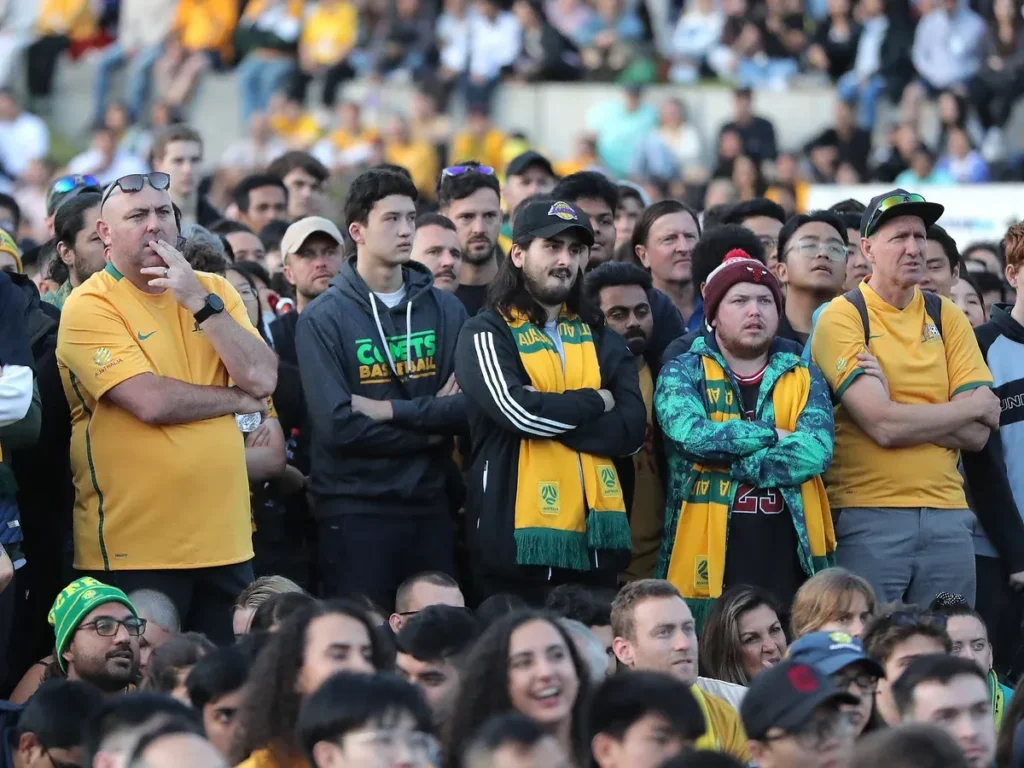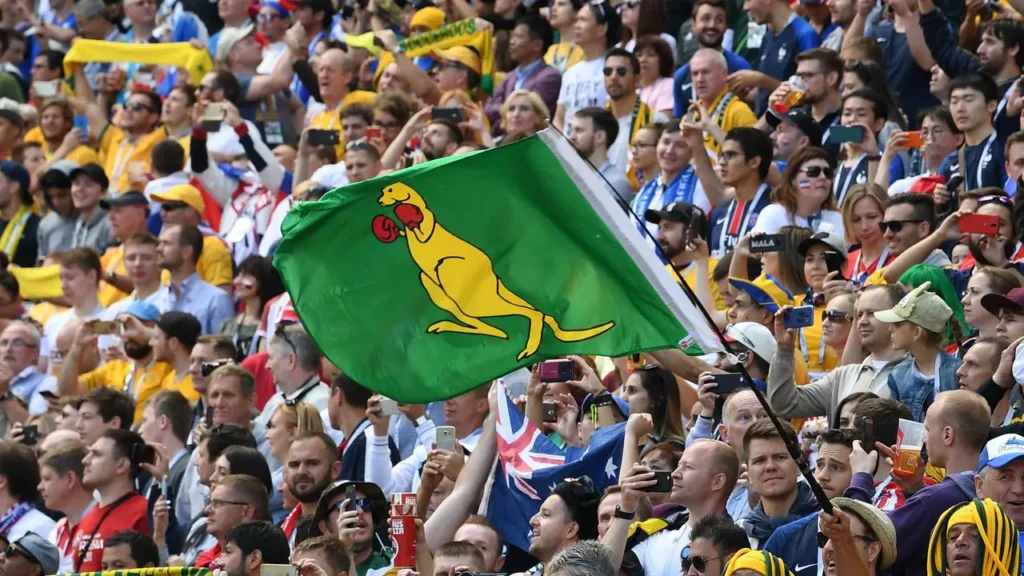
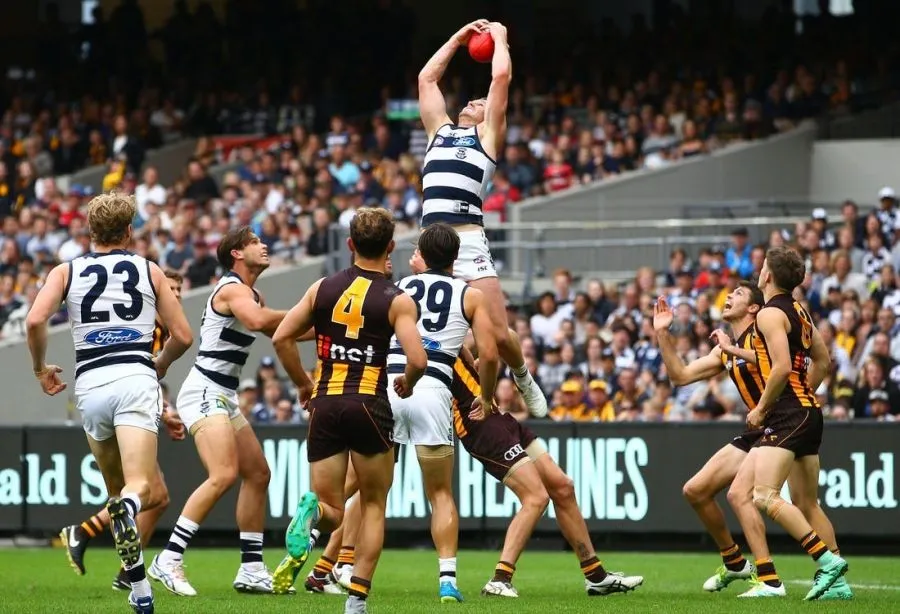
Ask an Australian rugby league fan what they expect from the Rugby League World Cup 2026, and you’ll probably hear a familiar mix of confidence and scepticism. “Australia should win it.” “International footy’s not the same as the NRL.” “It’ll be blowouts until the final.” All fair opinions — but they don’t tell the whole story anymore.
The international game has changed. Depth has improved, tactics have tightened, and World Cups are now decided less by raw talent and more by discipline, kicking, and decision-making under fatigue. This article is written in plain Australian English, aimed at everyday league fans who want to understand what’s actually happening on the park during Rugby League World Cup 2026 — without the hype or the clichés.
Ongoing global tournament schedules and comparisons are tracked at worldcup20-26
What Makes a Rugby League World Cup Different?
If you’re coming into Rugby League World Cup 2026 expecting NRL-style footy, you’ll be disappointed — and probably confused. International tournaments don’t reward risk. They punish it. Preparation windows are short, combinations are rushed, and coaches strip game plans back to what survives pressure.
That’s why World Cup matches often feel slower, tighter, and more territorial. It’s not because players are less skilled. It’s because every decision is weighed against one brutal reality: lose once in the knockouts, and you’re on a plane home.
Tournament Format and the Psychology Behind It
While final details are confirmed closer to kickoff, Rugby League World Cups traditionally follow a group stage leading into knockout rounds. That structure shapes behaviour more than fans realise.
How teams think about group matches
- Points difference matters as much as wins
- Big leads lead to conservative second halves
- Underdogs aim to stay competitive, not spectacular
- Discipline is prioritised over aggression
This is why blowouts sometimes feel strangely controlled. Once a result is secure, teams shift focus to energy management and injury prevention rather than running up scores.
Australia at Rugby League World Cup 2026: Strong, Not Invincible
Australia enters Rugby League World Cup 2026 as the benchmark nation. That’s not arrogance — it’s history. Depth across the spine, elite kickers, and years of high-pressure experience keep the Kangaroos ahead. But the margins are tighter than they used to be.
What still separates Australia
- Consistent long-kicking accuracy
- Line speed that remembers its job late in games
- Bench forwards who lift ruck tempo
- Calm decision-making when momentum swings
Against top teams, Australia rarely wins by playing prettier footy. They win by making fewer mistakes when legs are gone.
Why England, New Zealand and the Pacific Nations Are Real Threats
The idea that international challengers are “catching up” is outdated. They’ve already caught up in key areas. Rugby League World Cup 2026 will showcase that clearly.
What these teams do well
- Powerful middles generating post-contact metres
- Second-phase play that tests patience
- Emotional momentum after big defensive sets
- Improved kicking under pressure
These sides don’t need to dominate possession. They wait, absorb pressure, and punish errors. That’s how World Cups are stolen.
Rules, Refereeing, and Why Discipline Is Everything
World Cups rarely change the rulebook, but interpretations tighten. Referees are encouraged to protect player safety and maintain flow, which affects how teams defend.
Areas usually policed harder
- Slowing the ruck after tackles
- High contact, especially late in games
- Escort plays on attacking kicks
- Repeated professional fouls near the line
Teams that rely on niggle or disruption often struggle under this scrutiny. Clean technique wins tournaments.
How Most Rugby League World Cup Matches Are Actually Decided
Strip away the commentary and the pub chat, and most matches come down to the same repeatable patterns.
The unglamorous stuff that wins
- Winning the kick-chase battle
- Forcing starts inside the opposition 20
- Conceding fewer penalties under fatigue
- Smart interchange timing
If you’ve ever watched a close game and felt one side was “on top” without knowing why, these factors are usually the answer.
Stats That Matter in a World Cup (and the Ones That Don’t)
Tournament stats can lie if you don’t know how to read them. Some numbers balloon against weaker sides and disappear when pressure hits.
| Metric | Why It Matters |
|---|---|
| Post-contact metres | Shows ruck dominance under pressure |
| Kick return metres | Indicates field-position recovery |
| Penalties conceded | Reveals discipline late in halves |
Odds, Talk, and Not Getting Sucked In
Odds and market talk will be everywhere during Rugby League World Cup 2026. Even if you never place a bet, you’ll hear them discussed on broadcasts and social media.
Treat odds as expectation, not prophecy. They move after team lists, injuries, and weather forecasts. They describe how a match might be played — not how it must end.
Learning From Other Major Tournaments
Multi-nation tournaments behave similarly across sports. Fans who follow football often notice the same risk-management patterns during knockout stages.
You can see comparable pressure dynamics in events like the world cup 2026, where structure and discipline often trump attacking flair.
FAQ: Rugby League World Cup 2026, Straight Answers
Is Australia still the favourite?
Yes — but the margin is thinner, and discipline matters more than ever.
Why do games feel tighter than NRL matches?
Because teams prioritise territory, discipline and error control in short tournaments.
What usually decides knockout games?
Kicking accuracy, ruck speed, bench impact and discipline under fatigue.
Final Thought: Watch the Details, Not the Headlines
Rugby League World Cup 2026 won’t be about highlight reels or record scorelines. It’ll be about patience, pressure, and who holds their nerve when everything tightens.
Watch the kicks. Watch the ruck. Watch who stays disciplined when fatigue hits. That’s where this World Cup will be decided.
Editorial disclaimer: Any discussion of odds or market indicators is for informational purposes only. Always engage responsibly.