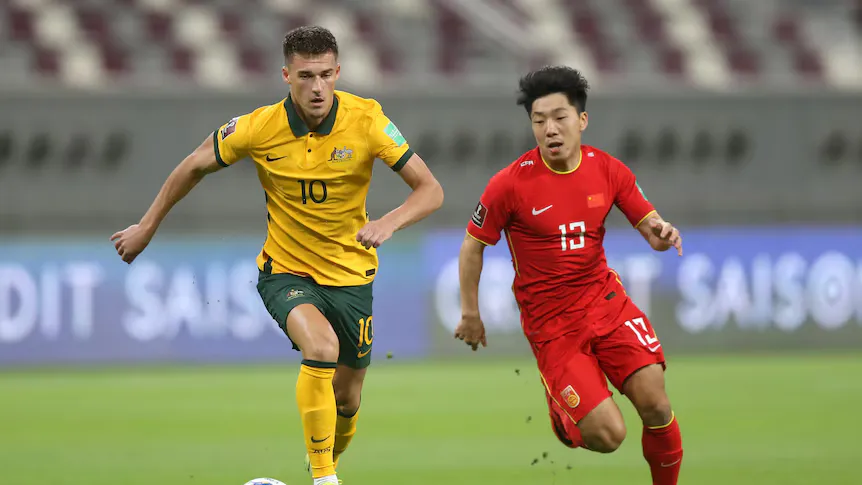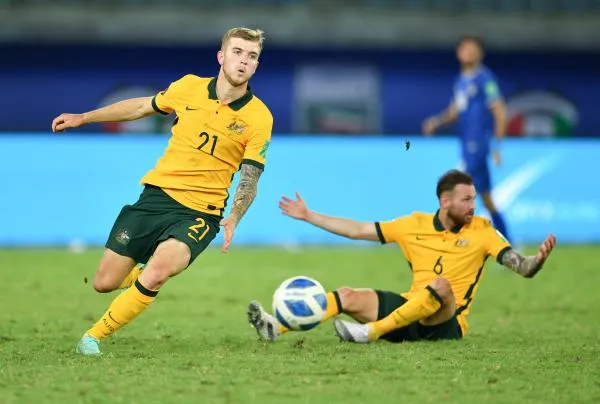
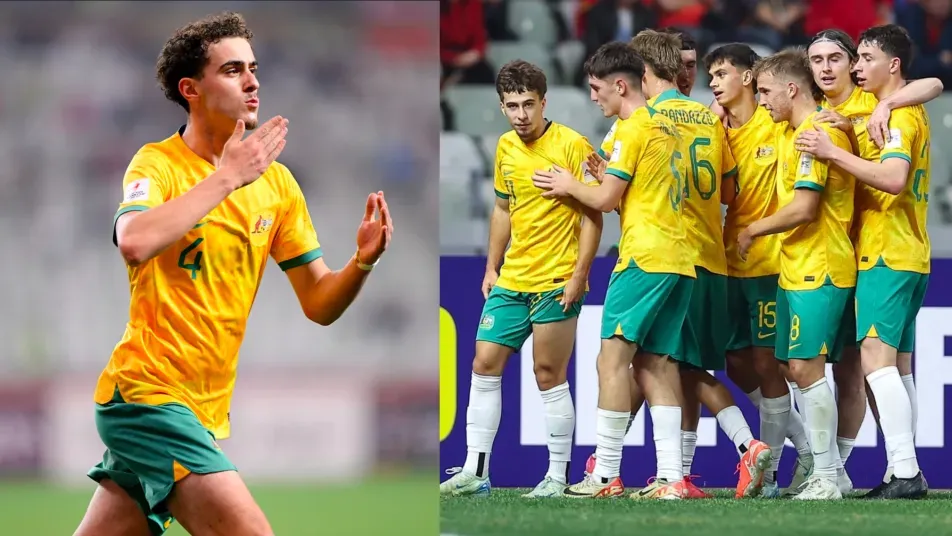
By the time the World Cup 2026 kicks off, Australians will once again be setting alarms at odd hours, arguing with mates over half-watched matches, and trying to make sense of a tournament that feels bigger and stranger than anything before it. With 48 teams, three host countries, and a brand-new competitive rhythm, this World Cup won’t behave like the ones we grew up with.
This article is written as a practical survival guide. It’s not here to sell hype or pretend certainty exists. Instead, it explains how the expanded format affects behaviour, how to read matches without getting fooled by noise, and how odds, indexes, and data can be interpreted calmly—especially if you’re watching from Australia with limited live viewing time.
Central tournament reference: worldcup20-26
World Cup 2026 Format: Bigger Doesn’t Just Mean Longer
The jump to 48 teams is more than an expansion—it’s a behavioural shift. World Cup 2026 will feature 12 groups of four, with the top two teams and the eight best third-placed teams progressing to a Round of 32. That one detail alone reshapes how risk is managed across the group stage.
Why teams play differently under this format
- Losing one match is no longer fatal
- Goal difference becomes a strategic asset
- Discipline (cards) matters more than before
- Late group matches are often about calculation
From the couch, this can look like negativity. In reality, it’s optimisation. Teams are playing the table, not just the opponent, and understanding that instantly makes many “boring” matches far more logical.
The Australian Viewing Problem (and How to Work Around It)
Australians don’t watch World Cups the way Europeans do. Matches in North America mean early alarms, partial replays, and heavy reliance on highlights. The danger is mistaking drama for dominance.
A smarter way to judge games you didn’t watch live
- Check how goals were created (structure vs mistake)
- Look at box entries, not just shot totals
- Note who controlled tempo after scoring
- See whether late pressure was desperate or organised
This approach is far more reliable than relying on possession stats or a three-minute highlight package designed for clicks.
Tournament Football Tactics: What Consistently Works
Every World Cup teaches the same lesson: simplicity beats ambition when stakes are high. In 2026, with more matches and more fatigue, that lesson will be even clearer.
Compact defence over constant pressing
Non-stop pressing is rare in international tournaments. Teams usually defend in compact mid-blocks and press only on clear triggers. This conserves energy and reduces exposure to counter-attacks.
Set pieces decide tight tournaments
Corners and free kicks aren’t a bonus—they’re a plan. Underdogs often survive because of them, and favourites rely on them when open play stalls.
Game management is invisible but decisive
Slowing play, drawing fouls, recycling possession, and killing momentum are skills. Teams that master them almost always outlast those that chase highlights.
Form, Data, and the Illusion of Momentum
“Form” is one of the most misleading concepts in a World Cup. Over a short tournament, randomness plays a massive role. The trick is separating repeatable behaviours from one-off events.
Metrics that actually matter
| Metric | Why it matters | What to ignore |
|---|---|---|
| Box entries | True attacking pressure | Low-quality long shots |
| Transition recovery | Defensive stability | One isolated error |
| Set-piece volume | Repeatable scoring chances | Random deflections |
Odds, Indexes, and “Reading the Market” Without Losing Perspective
Odds are unavoidable during a World Cup. Even casual fans see them shared across apps and broadcasts. The safest way to use them is as information, not instruction.
What odds actually tell you
In Australia, decimal odds reflect perceived probability. When odds move, something changed—line-ups, injuries, motivation, or public sentiment. The movement is more interesting than the price.
Handicap and totals markets in tournaments
Handicap lines hint at expected margins. Goal totals hint at match tempo. In World Cup group stages, these can flip quickly once teams know exactly what result they need.
Group Stage Chess vs Knockout Knife-Edge
World Cup 2026 will feel like two tournaments in one. The group stage rewards patience and planning; the knockouts punish mistakes brutally.
Group stage priorities
- Accumulate points efficiently
- Protect goal difference
- Manage energy and suspensions
Knockout stage reality
Once elimination begins, risk tolerance collapses. Matches slow, spaces tighten, and one mistake can end a campaign. Experience matters more than flair.
Tickets, Travel, and Planning from Australia
With host cities spread across three massive countries, planning a World Cup 2026 trip is closer to planning multiple holidays at once.
Ticket availability and access guidance: world cup 2026 tickets
- Use official sellers wherever possible
- Factor in long domestic flights
- Allow recovery days between matches
- Avoid vague resale promises
FAQ: World Cup 2026 Quick Answers
How many teams are in World Cup 2026?
There are 48 teams, split into 12 groups of four, with 32 teams advancing to the knockout stage.
Why do some matches feel cautious?
Because teams can qualify by managing points and goal difference, especially late in the group stage.
Are odds reliable predictors?
Odds reflect expectations, not guarantees. Movement often tells a clearer story than the opening price.
Final Thought: Calm Beats Chaos
World Cup 2026 will generate more noise than any tournament before it. Australians who understand structure, incentives, and context will enjoy it more—and argue less in group chats.
Bigger doesn’t have to mean messier, as long as you know what you’re watching.
Informational note: Any discussion of odds or markets is for educational purposes only. Always engage responsibly and through licensed providers.