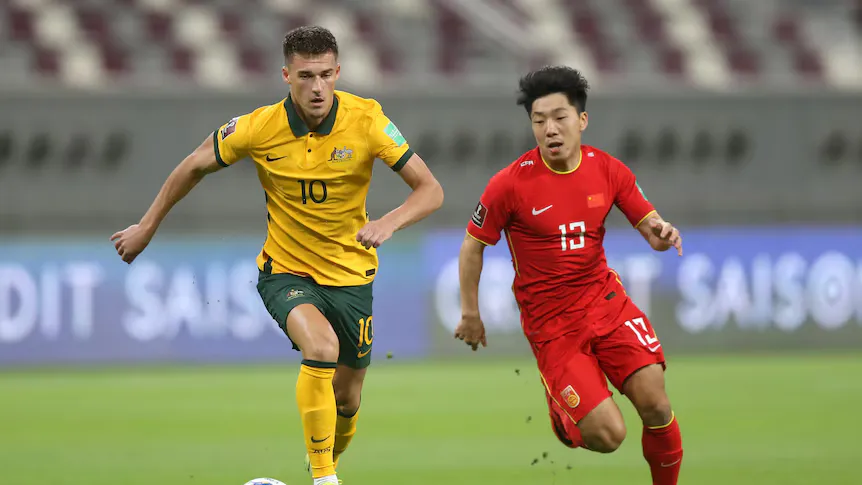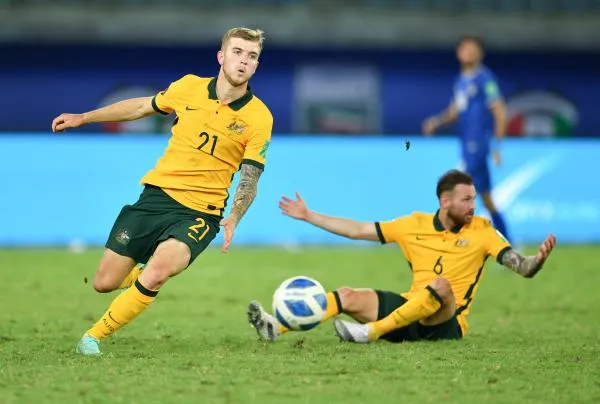

The World Cup 2026 is shaping up as a different beast: more teams, more games, and more “weird” group-stage situations where a draw can quietly suit both sides. If you’re watching from Australia, you’ll also be juggling North American kick-off times, highlight-heavy coverage, and mates who swear a team is “cooked” after one dodgy half.
This article is built like a practical playbook. It’s not a hype piece and it’s not pretending to offer “sure things”. Instead, it gives you a structured way to think: how the 48-team format changes incentives, how to judge form without getting tricked by small samples, and how odds, handicaps, totals and market movement can be used as clues—without losing the plot.
Related reading hub: blog
World Cup 2026 Format: What You Need to Know (And What It Changes)
The headline is simple: 48 teams, hosted across the USA, Canada and Mexico. The detail matters because it changes how teams approach the group stage and how you should interpret results.
Quick rules summary
- 12 groups of 4 teams
- Top 2 in each group qualify (24 teams)
- Plus 8 best third-placed teams (32 total)
- Knockouts start with a Round of 32
The “best third-placed” path is the quiet game-changer. It creates more scenarios where teams protect goal difference, manage cards, and prioritise not losing over chasing a risky win. For viewers, that means some matches will look cautious on purpose. It’s not always fear. Sometimes it’s maths.
Australian Viewing Reality: The AEST Filter on Your Opinions
Watching from Australia often means you’re either:
- up at a ridiculous hour, half-asleep but committed, or
- catching a replay with the score accidentally spoiled, or
- living off highlights and trying to stitch a narrative together.
The risk is “highlight bias”. One long-range goal looks like dominance; one defensive error looks like collapse. A better way is to watch for repeatable patterns: how a team builds up, where they win the ball back, and whether they can create controlled entries into the box.
A quick checklist you can run in your head
- Shape: what’s the base formation in possession and out of possession?
- Pressing: do they press as a unit or just sprint individually?
- Access: can they play into the half-spaces or is it all wide?
- Transitions: how do they look immediately after losing the ball?
- Set pieces: are they winning corners/free kicks in dangerous spots?
Form: The Most Misunderstood Word in Tournament Football
“Form” gets thrown around like it’s a permanent identity. In a World Cup, form is fragile: one rotated match, one soft penalty, one heat-affected second half, and the story flips.
Question: What’s a sensible way to judge form?
Answer: separate process from outcome. Outcomes are goals and results. Process is whether a team is consistently creating good chances, controlling transitions, and limiting high-quality shots against. A team can fluke a win; it’s harder to fluke a stable process for multiple matches.
Form indicators that travel well between opponents
| Indicator | Why it matters | Common mistake |
|---|---|---|
| Controlled box entries | Real chance creation | Counting desperate scrambles |
| Set-piece pressure | Tournament-friendly goals | Ignoring delivery quality |
| Turnovers in midfield | Pressing and counter potential | Overrating “busy” pressing |
| Transition defence | Avoiding cheap goals | Assuming one mistake = weakness |
Tactical Matchups: The Part Fans Skip (But Coaches Obsess Over)
At World Cup level, tactical edges often come from boring, repeatable things: where overloads happen, how fullbacks are protected, and whether a midfield can receive under pressure.
Three matchup questions worth asking every game
- Can Team A play through Team B’s press? If not, expect long balls and second-ball chaos.
- Who wins the wide areas? 2v1s on fullbacks create cutbacks—often the best chance type.
- What happens after turnovers? Fast breaks decide tournaments when space appears.
If you can answer those three questions by halftime, you’ll usually predict the second half better than someone quoting possession numbers.
Odds, Handicaps, Totals, and “Reading the Lines” Like a Normal Person
Here’s a calm way to look at odds and lines: they’re a live summary of expectations. They’re influenced by injuries, rotation, travel, historical reputation, and—crucially—public bias towards big names.
Decimal odds: focus on movement, not the number
In Australia, decimal odds are standard. Lower = favoured. But the better question is: why did it move? If odds shorten quickly, something changed (line-up leak, injury confirmation, weather report, or sudden market sentiment).
Handicap lines: a shortcut to margin expectations
Handicaps (often Asian handicap variants) imply how much control and goal margin the market expects. If a favourite’s handicap drops, it can mean the market expects a tighter game—or that the favourite’s attacking edge is being discounted.
Totals (over/under): a mirror of match story
Goal lines react to game state. A cautious opener tends to sit lower; a “must-score” scenario pushes volatility higher. The same teams can produce completely different totals based on incentives.
A simple “market sanity check” for viewers
- Check confirmed line-ups (not rumours).
- Check tournament incentives (does a draw suit someone?).
- Check style clash (press vs press resistance, wide overloads, set-piece edges).
- Only then look at odds/handicaps/totals as supporting context.
Knockout Rounds: Why “Pretty Football” Often Gets Parked
Once elimination starts, risk drops. Coaches will accept slower games if it keeps them alive. That’s why the best knockout teams usually have:
- a reliable defensive structure,
- at least one consistent chance-creation pattern (cutbacks, set pieces, or a transition outlet),
- and the emotional control to not implode after one setback.
Tickets and Travel: The Aussie “Don’t Get Done” Checklist
If you’re heading over, plan like you’re travelling across Australia—because distances between host cities can be massive. Also: big tournaments attract dodgy sellers. Be picky.
Ticket-focused page for your site structure: world cup 2026 tickets
- Official sources first: easier refunds, clearer rules, less drama.
- Know the delivery method: digital tickets, transfer windows, ID requirements.
- Don’t stack cities too tightly: travel days are real days.
- Budget buffer: prices spike around key matchweeks.
FAQ: World Cup 2026 Quick Answers (Great for Zero-Click Searches)
How many teams are in World Cup 2026?
48 teams. There are 12 groups of 4, and the top two plus eight best third-placed teams qualify for a Round of 32.
Why do odds and handicaps move before matches?
Usually because new information hits: confirmed line-ups, injuries, rotation, weather, or shifting sentiment. Movement is a clue, not a verdict.
What’s the simplest way to judge whether a team is actually playing well?
Look at controlled box entries, set-piece pressure, and transition defence. They’re more reliable than possession or one-off wonder goals.
Final Thoughts: Don’t Chase Certainty—Chase Good Questions
The best way to enjoy World Cup 2026 is to treat it like a puzzle, not a certainty machine. Watch for structure, understand incentives, and use odds/handicaps/totals as context rather than gospel. You’ll be calmer, sharper, and—quietly—more right than the loudest takes.
Responsible note: If you interact with betting content, do so legally via licensed providers and set personal limits. Tournament football has high variance—no model or “system” eliminates that.